Picking an air conditioner that is too small leaves you sweating through long cycles and high energy bills. Choosing one that is too large produces short, humid cycles and premature wear. In Hutto, where summers climb into the 90s and humidity can linger, the right size matters for comfort, cost, and equipment life. This guide walks through the real-world things that determine cooling load, how to interpret sizing numbers, common mistakes I see as a contractor, and practical steps to get the right system installed in your Hutto home.
Why sizing beats brand hype
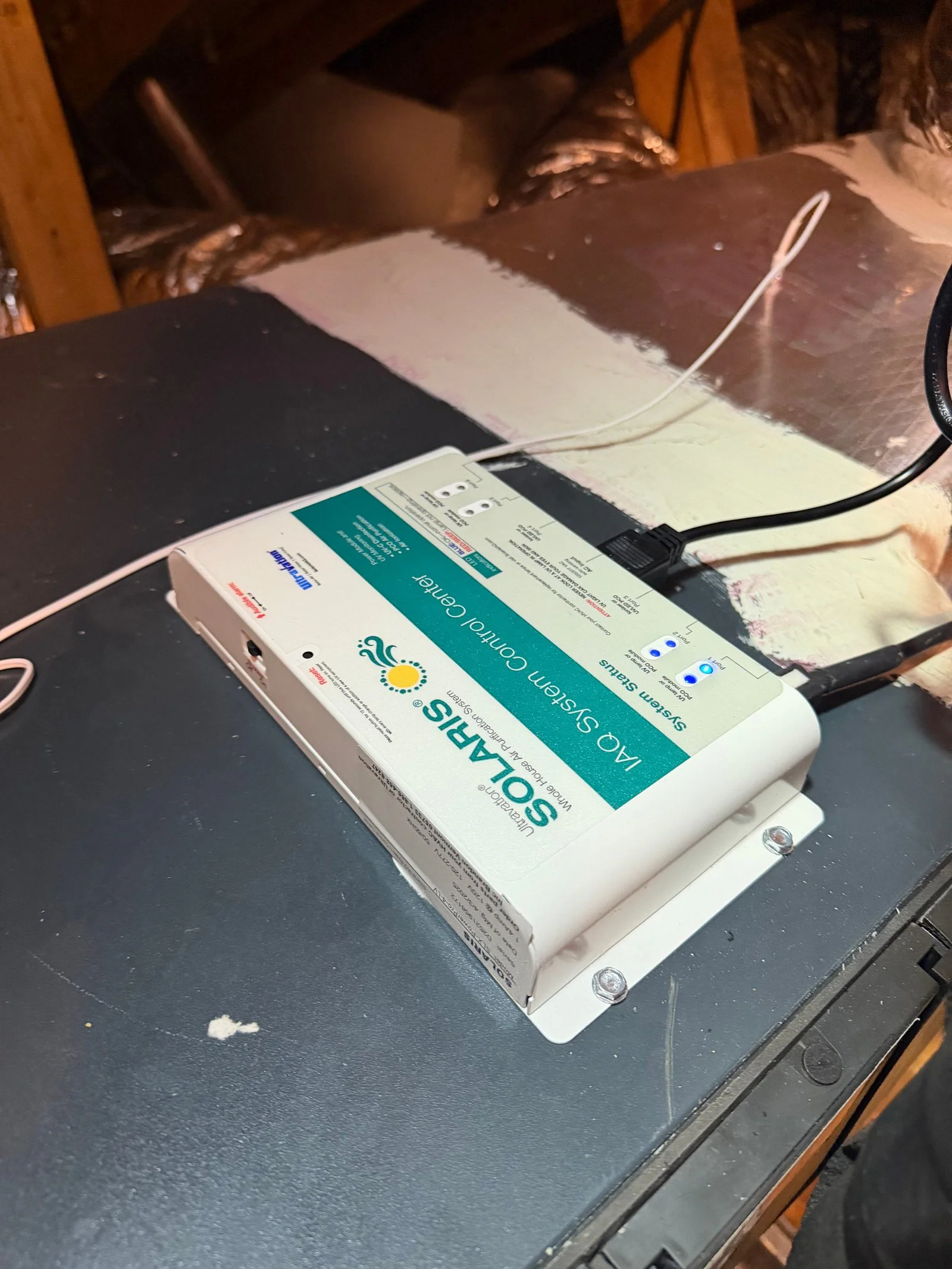
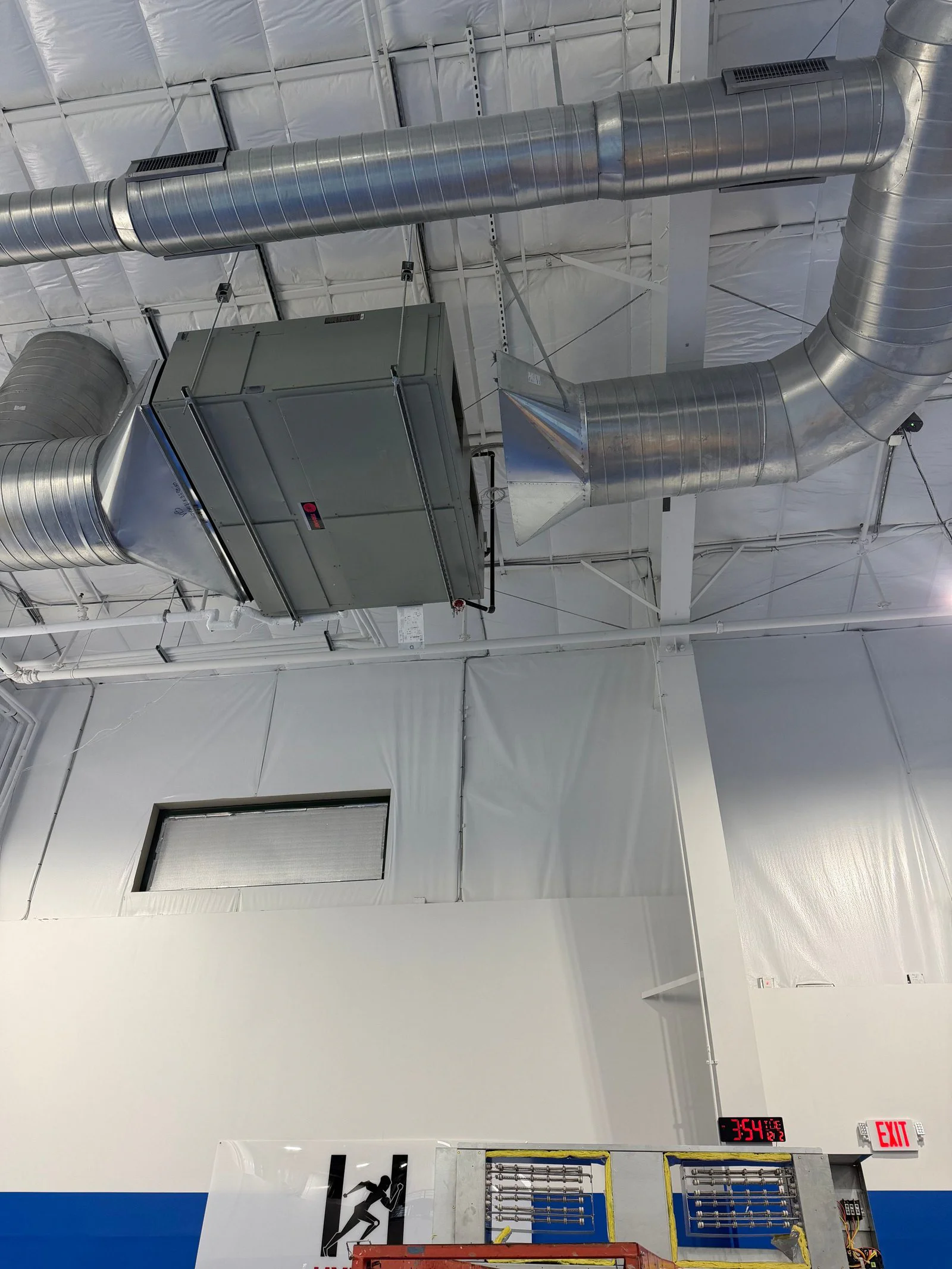
Manufacturers market efficiency ratings, quiet operation, and smart thermostats, and those features matter. But if the unit is the wrong capacity for your home, a high SEER rating or fancy controls cannot fix the foundational problem. Over the years I have replaced plenty of "top-tier" equipment that failed to deliver because the initial sizing ignored shading, duct losses, or occupancy. A correctly sized unit runs longer cycles that remove humidity, distributes air evenly, and often reduces overall energy use compared with a larger, short-cycling unit.
Hutto climate and what it changes about sizing
Hutto sits in the warmer, humid end of central Texas. Your cooling system must handle peak heat in July and August and also manage latent load, the moisture the system removes from indoor air. Two homes of identical square footage can need different capacities if one faces west with large unshaded windows and the other is shaded by mature trees. Local factors that matter here include:
- Afternoon solar gain from west- and southwest-facing windows. Humidity from summer thunderstorms, which increases the latent load. Roof color and attic ventilation. Dark shingles and poor attic ventilation raise envelope heat gain. House orientation and neighboring structures that provide shade or reflection.
Sizing is not a one-number process. You must balance sensible cooling, which lowers air temperature, and latent cooling, which removes moisture. In Hutto, neglecting latent load leads to sticky, uncomfortable conditions even if the thermostat reads your target temperature.
Manual J: the accurate but underused way
The only defensible method is a Manual J load calculation. Manual J measures heat gain and heat loss for each room and produces a capacity requirement in BTU per hour for the whole house. It accounts for insulation, windows, occupancy, appliances, lighting, duct losses, and local climate data. An accurate Manual J typically changes the recommended capacity compared with simple rules of thumb by 10 to 30 percent. I cannot overstate this: rely on real calculations rather than per-square-foot estimates when comfort and energy bills matter.
Key inputs that change a Manual J result
Insulation levels: Older homes in Hutto might lack adequate attic insulation. Boosting insulation lowers the recommended AC size.
Window type and shading: Single-pane windows significantly increase load. Exterior shading, overhangs, and trees reduce it.
Attic and duct conditions: Ducts routed through an unconditioned attic with leaks can dump cooling before it reaches living spaces. Tightening ducts or bringing them into conditioned space reduces required capacity.
Occupancy and internal gains: If you work from home with heavy computer use, host large gatherings, or have lots of lighting and appliances, the internal heat gain rises.
Ceiling height and room layout: Higher ceilings add volume to cool. Open-plan designs can require different equipment strategies than multiple small rooms.
Why simple size-per-square-foot rules fail
A popular shortcut recommends 20 BTU per square foot. For a 2,000 square foot house that suggests 40,000 BTU, or about 3.3 tons. That estimate fails when:
- The house has poor insulation and large sun-exposed windows, which could push needs closer to 4 tons. The home is well shaded, tightly sealed, and has upgraded insulation, which might only need 2.5 tons. Ducts leak significantly, which increases load and worsens performance if not fixed.
Rules of thumb are okay for a ballpark, but never use them for a final purchase. Ask your HVAC contractor for a Manual J and insist on seeing the inputs.
Matching indoor equipment and air distribution
Sizing is about more than the outdoor condenser tonnage. The indoor evaporator coil and air handler must match the condenser for refrigerant charge and performance. A mismatched coil can reduce efficiency, cause frost, and shorten component life.
Ductwork affects effective capacity. A large, efficient unit connected to undersized, leaky ducts will perform worse than a slightly smaller unit with well-sealed ducts. The solution often lies in improving the duct system: sealing leaks, adding insulation to attic ducts, and properly sizing runs to balance airflow.
Dehumidification and run time
Humidity control is tied to run time. Short-cycling units cannot remove enough moisture. That is why an oversized AC often leaves a house cool in temperature but clammy to the touch. In Hutto summers, a system designed to run longer, with a proper coil and airflow, will reduce humidity better than simply installing a larger compressor.
You can also consider systems with enhanced dehumidification strategies: variable-speed compressors, multi-stage systems, or dedicated dehumidifiers. Variable-speed equipment modulates output and keeps evaporator temperatures in a range that maximizes moisture removal while maintaining comfort.
SEER and efficiency trade-offs
Seasonal energy efficiency ratio, or SEER, remains important for long-term operating cost. Higher SEER units save energy at higher upfront cost. However, a very efficient unit that is oversized will still waste money and compromise comfort. Prioritize correct sizing, then select the highest efficient model that fits your budget.
Practical steps to choose the right size for your Hutto home
Below is a concise checklist to follow when planning a new AC or replacement. These steps reflect what I use when quoting installations and when advising homeowners on repairs.
- Schedule a Manual J load calculation with a licensed HVAC contractor. Inspect and, if needed, repair or upgrade ducts and attic insulation. Compare matched outdoor/indoor equipment pairings, not just outdoor tonnage. Consider variable-speed or multi-stage systems for better humidity control. Get at least two written proposals that include the Manual J and equipment specifications.
How to vet contractors in Hutto
Finding someone competent is as important as the numbers. Local familiarity matters. A contractor who has done many AC installations in Hutto knows the typical attic conditions, common duct layouts, and the neighborhood shading patterns.
Ask potential HVAC contractors specific questions. Request to see the Manual J, inquire about duct sealing practices, and confirm that they will match the coil and condenser. Ask for references from recent installations in the area. When you search "HVAC Service Near Me" or "HVAC company near me" and call, listen to how they explain the problem and solution. Vague promises with no written load calc is a red flag.
Beware of oversizing sales tactics. Some companies promote "bigger equals better" by arguing a larger unit will last longer because it runs less. That claim ignores humidity, thermal comfort, and the increased cycling stress on components. Responsible HVAC contractors prioritize the match between load and capacity.
Replacement vs. New installation: different priorities
If you are replacing a failed unit, you may be tempted to simply match the old system's tonnage. That's a fast route, but it may lock you into past mistakes. I recommend a fresh Manual J before replacing aging equipment. Your house may have had insulation upgrades, window replacements, or duct work done since the original installation. Replacing a leaking, inefficient 4-ton condenser with a correctly sized 3-ton unit after sealing ducts often lowers bills and improves comfort.
If you are building new, the opportunity to design ducts properly and place equipment for optimal performance produces long-term savings. New construction should always get a Manual J, Manual D duct design, and Manual S equipment selection.
Common mistakes and how to avoid them
Relying only on tonnage labels: Units are advertised in tons, but you must examine airflow numbers, coil capacity, and matched component charts.
Ignoring duct leakage: Duct leakage can reduce delivered cooling by 10 to 30 percent. Sealing ducts and insulating them in unconditioned attics often lowers the needed capacity and improves comfort.
AC Repair in HuttoSkimping on the indoor unit: Contractors sometimes pair a high-efficiency outdoor unit with a low-quality coil. Match the pair and insist on proper refrigerant charge and airflow commissioning at startup.
Using window unit history to size central systems: People sometimes base central system size on how well window units performed. Window units handle rooms, not whole-house dynamics. Use whole-house measurements instead.
Not testing for airflow at start-up: Proper airflow across the evaporator AC Repair in Hutto jurneemechanical.com coil is critical. Technicians should measure CFM and adjust blower speed to match the manufacturer’s specifications. Ask for airflow readings in writing.
When a slightly larger unit is acceptable
There are edge cases when a modestly larger unit may be preferable. If you lack the budget to address major duct leakage immediately, a slightly larger condenser might offset those losses temporarily. If you plan to add significant loads, like an in-law suite or extensive west-facing glass, sizing for future loads can be reasonable. However, these choices should be made deliberately with an understanding of the trade-offs and a plan to address the underlying issues later.
Stories from the field
I once replaced an old 4-ton system in a Hutto ranch-style house that never felt dry. The homeowner wanted a 5-ton "so it will be powerful." After a Manual J, we found the true need was 3.5 tons, but ducts were leaking in the attic and had been undersized. We sealed and insulated the ducts, replaced the evaporator coil with a properly matched unit, and installed a 3.5-ton variable-speed system. The homeowner’s energy bills dropped about 18 percent the first year and the house felt noticeably less humid. The oversized recommendation would have left the humidity problem intact.
Another install in a newer subdivision had a west-facing glass wall and a second-floor vaulted master suite. The Manual J indicated a higher peak load for that zone, so we installed a dual-zone system with a smaller dedicated unit for the master. The homeowner gained more precise control and better humidity control, and avoided uncomfortable temperature swings between floors.
When repairs point back to sizing
If you call for AC Repair in Hutto because the system runs constantly and barely cools, the problem might not be a failing compressor. It could be undersizing, dirty coils, low refrigerant, or faulty thermostats causing short cycles. If the technician's diagnosis is only "needs a new compressor" without checking load or airflow, get a second opinion. Qualified HVAC repair technicians will measure return and supply temperatures, refrigerant pressures, and airflow before recommending major replacements.
Cost considerations and budgeting
Correct sizing and good installation have upfront cost, but they reduce lifetime expense. Upgrading ducts, improving insulation, and selecting higher efficiency equipment add to initial price but cut operating costs. Expect to pay more for a thorough Manual J, duct sealing, and matched equipment, but these investments pay back over time through lower energy bills and fewer callbacks.
If budget is tight, prioritize duct sealing and proper airflow. A mid-efficiency correctly sized unit with good ductwork will often outperform a high-efficiency oversized system with leaky ducts.
Final decision checklist before signing
Before you authorize AC installation or HVAC repair, confirm these points in writing: the Manual J load result, the proposed equipment matched pair and model numbers, duct sealing and insulation scope, commissioning steps such as airflow verification, and warranty details. A reputable HVAC contractor will welcome these questions. When you search for "AC installation in Hutto" or "HVAC company near me," pick the company that provides a clear plan and documented calculations rather than a verbal promise.
Finding local help
When you use search terms like HVAC contractor, AC Repair in Hutto, or HVAC Service Near Me, the right provider will offer local references, documented load calculations, and a willingness to explain trade-offs. Ask for recent project photos, example Manual J outputs, and a simple explanation of why they chose a particular capacity for your home.
Choosing the right size for your Hutto home is a technical decision and a judgment call. Trust calculations over slogans, prioritize air distribution and humidity control, and pick an experienced local contractor who stands behind their work. Comfort, efficiency, and reliability follow from careful assessment and honest installation practice.
Jurnee Mechanical
209 E Austin Ave, Hutto, TX 78634
(737) 408-1703
[email protected]
Website: https://jurneemechanical.com/